


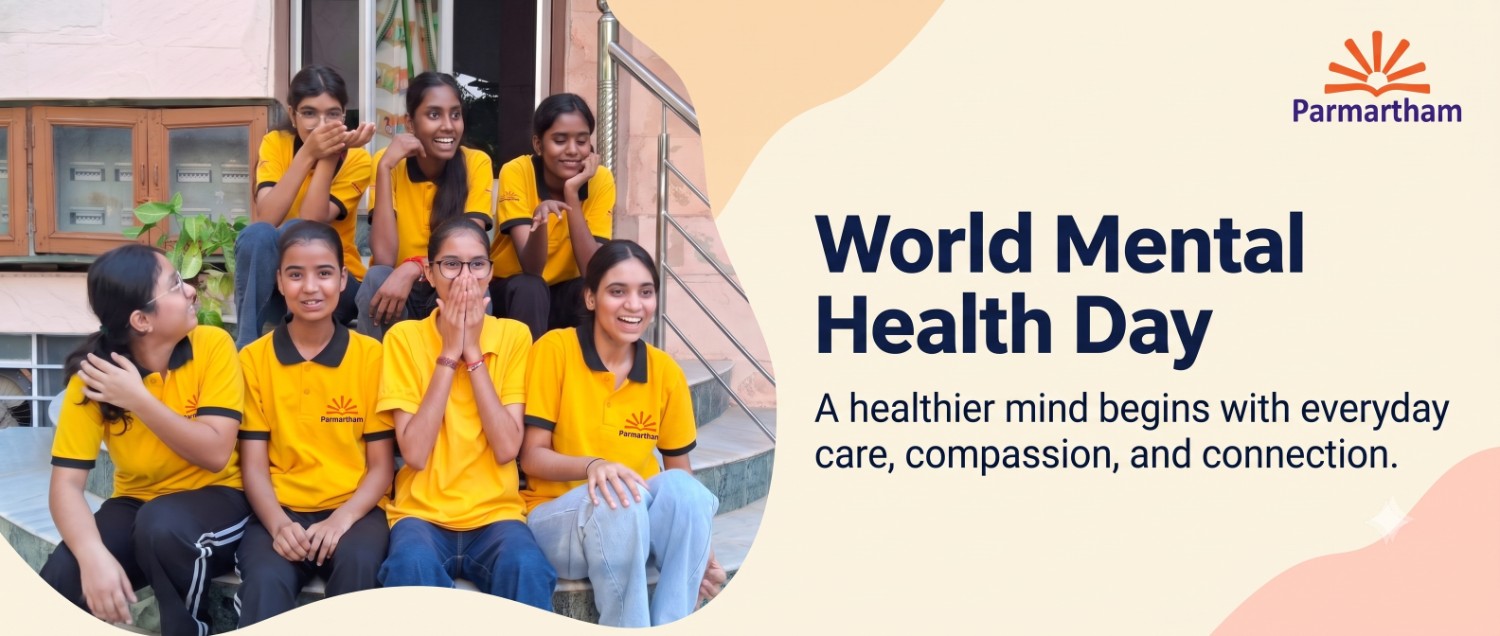
World Mental Health Day, observed every year on 10 October, is an occasion to bring mental wellbeing into public conversation and to affirm that it deserves the same attention as physical health. For 2026, the World Federation for Mental Health has chosen the theme "Lived Experiences Heard: Real Voices, Real Change", placing the experiences of people who live with mental health challenges at the centre of the discussion.
Listening to those experiences reveals a clear pattern. For most people, mental health is not shaped in clinics or hospitals. It is shaped at home, in classrooms and at the workplace, through the pressures and routines of ordinary life. If that is where mental health is formed, it is also where it must be cared for.
The scale of the challenge is considerable. Estimates from the India State-Level Disease Burden Initiative suggest that nearly one in seven Indians was living with a mental disorder in 2017. The National Mental Health Survey (2015-16) found that a large majority of those affected received no treatment, owing largely to stigma, cost and limited access to care.
Part of the difficulty is that distress rarely presents itself in clinical terms. It appears as disturbed sleep, irritability, persistent fatigue or a lingering sense of unease. People describe it as stress or exhaustion and are often expected to endure it quietly. Because it goes unnamed, it also goes unaddressed, and in many communities mental health support is still regarded as a privilege rather than a basic need.
Emotional wellbeing cannot be separated from the circumstances in which people live. Financial insecurity, unemployment, isolation, family conflict and a lack of opportunity each place a sustained strain on the mind, which over time may surface as anxiety, low self-esteem, poor concentration or a sense of hopelessness.
Young people are particularly exposed to these pressures. Children who grow up amid instability often absorb it without expressing it, and it can influence how they see themselves well into adulthood. For students from families of limited means, the demands of competitive examinations are compounded by the worry that ability alone may not be enough, and by a constant awareness of the sacrifices their families are making.
Recognising these links changes how mental health should be approached. Alongside treatment, it calls for attention to the security, purpose and sense of belonging that people experience in their daily lives.
Professional care remains essential and cannot be replaced. At the same time, research consistently identifies stability, a sense of purpose and supportive relationships as strong protective factors. People who feel they are progressing, whether through education, meaningful work or connection with others, generally report lower anxiety and a stronger sense of control over their lives.
Regular contemplative practices also play an important role. Yoga, pranayama and meditation are widely recognised for their capacity to reduce stress, improve sleep and strengthen concentration. They require little more than time and guidance, and can be adopted at any age. Their value lies in consistency, as a short daily practice often achieves more than an occasional intensive effort.
At Parmartham, we regard a student's wellbeing as inseparable from their learning. A young person who is anxious, exhausted or isolated cannot reach their potential, regardless of ability. Our programmes therefore attend to the mind as deliberately as they attend to academics and skills.
Counselling support. Our students have access to counselling, which offers them a space to discuss academic pressure, the challenges of living away from home, and personal or family concerns. Timely conversation helps students manage difficulties before they escalate.
Daily yoga and meditation. Yoga and meditation form part of our students' daily routine. This regular practice helps them manage stress, maintain healthy sleep and approach their studies with greater calm and focus.
Relief from financial pressure. Through Saksham Bharat, Parmartham meets the cost of coaching, books, hostel accommodation and transport for students from financially disadvantaged backgrounds preparing for engineering and medical entrance examinations. Removing this burden relieves students and their families of one of the most persistent sources of anxiety they face.
Yoga, Pranayama and Meditation Camps for All
The need for mental wellbeing extends well beyond any one programme, and so does our work in this area. In addition to the daily practice within our programmes, Parmartham conducts dedicated yoga, pranayama and meditation camps for people of all age groups.
These camps are open to everyone, not only to the beneficiaries of Saksham Bharat, Shiksha Shala and Kaushal Vikas. Corporate professionals managing demanding schedules, students under academic pressure, homemakers and senior citizens are all welcome to participate. Each group brings different concerns, but the benefit of a steady, guided practice is common to all.
To participate in an upcoming camp, please write to info@parmartham.org.in or call +91 8302883596.
Daily practices and community support can ease distress considerably, but they are not a substitute for clinical care. Withdrawal from others, loss of interest in activities once enjoyed, changes in sleep or appetite, and persistent sadness or fatigue may indicate a need for professional support. Anyone experiencing such signs over an extended period should be encouraged to consult a qualified mental health professional. In India, the Government's Tele-MANAS helpline provides free mental health support at all hours on 14416.
World Mental Health Day is a reminder that mental wellbeing is sustained not by individuals alone but by families, institutions and communities. Each of us can contribute by asking colleagues, friends and family how they are genuinely doing, listening without judgement, encouraging those who need help to seek it, and making time for our own wellbeing. Parmartham remains committed to this work through its programmes and its camps, and we welcome all who wish to take part.
1. Why is World Mental Health Day observed?
World Mental Health Day is observed on 10 October every year to raise awareness about mental health and mobilise support for people living with mental health conditions. The 2026 theme is "Lived Experiences Heard: Real Voices, Real Change".
2. Does Parmartham provide counselling?
Yes. Parmartham provides counselling support to its students, along with daily yoga and meditation. For ongoing or severe mental health conditions, we encourage individuals to consult a qualified mental health professional.
3. Who can attend Parmartham's yoga, pranayama and meditation camps?
The camps are open to people of all age groups, including corporate professionals, students, homemakers and the elderly. Participation is not limited to beneficiaries of Parmartham's programmes.
4. How do yoga and meditation support mental health?
Regular practice can help reduce stress and improve sleep and concentration. It supports wellbeing but does not replace professional treatment.
5. Where can someone in India get immediate mental health support?
The Government of India's Tele-MANAS helpline (14416) provides free mental health support at any hour. Anyone in ongoing distress should also consult a qualified mental health professional.
Also Read:
Antyodaya Diwas: Why India's Progress Is Measured at the Last Doorstep
International Yoga Day: Building Healthier Communities, One Breath at a Time
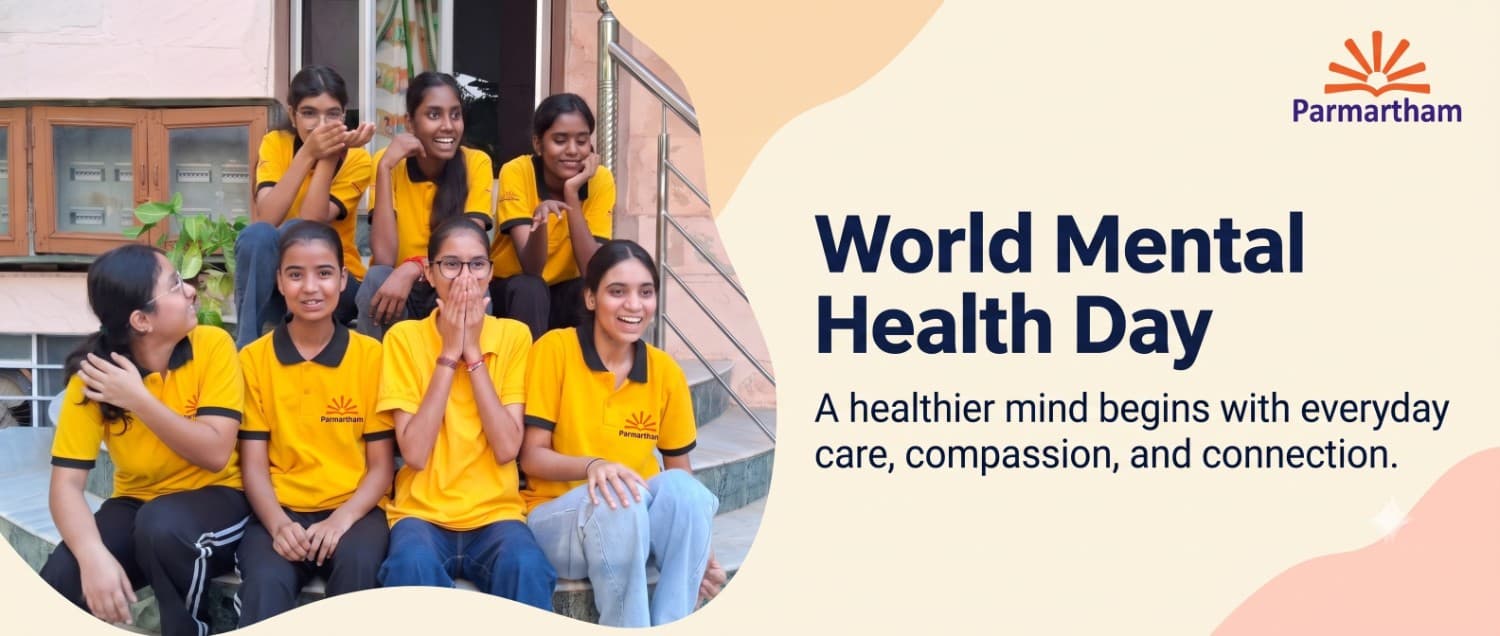
This World Mental Health Day, learn why mental wellbeing matters and how Parmartham supports it through student counselling, daily yoga and camps open to all.
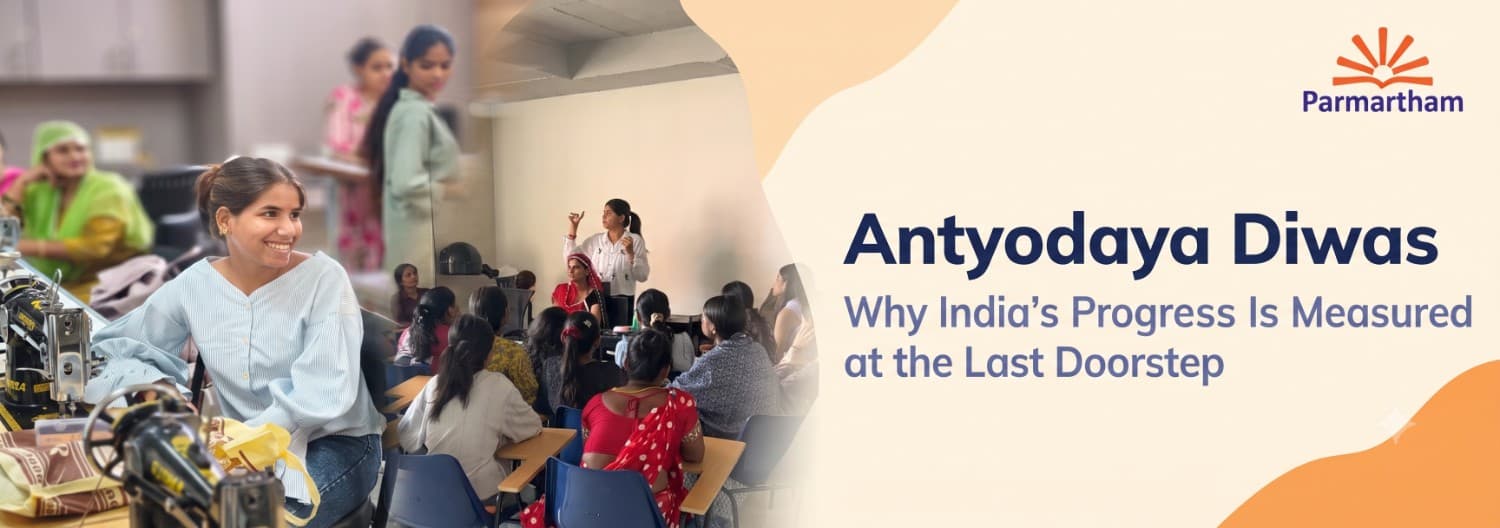
Learn the meaning of Antyodaya Diwas and how Parmartham, a Jaipur NGO, helps youth and women become self-reliant through free skill training under Kaushal Vikas.
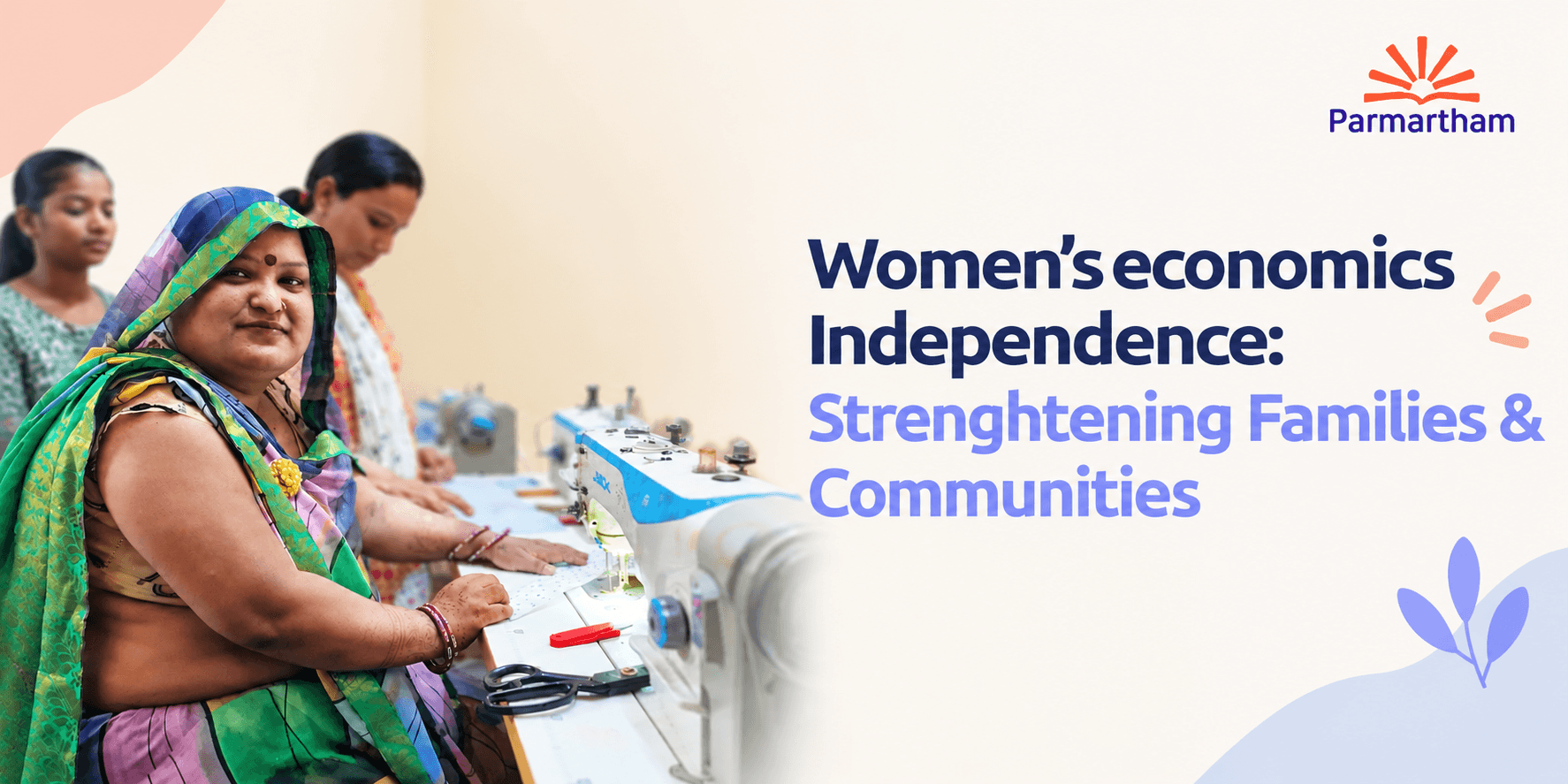
Learn how women's economic independence uplifts families and communities, and how Parmartham's Kaushal Vikas offers free skill training to women in Jaipur.
Discover how 40 hostel students explored Jaipur's Kishan Bagh on Hariyali Amavasya, linking ancient traditions of tree worship with real-world science.