


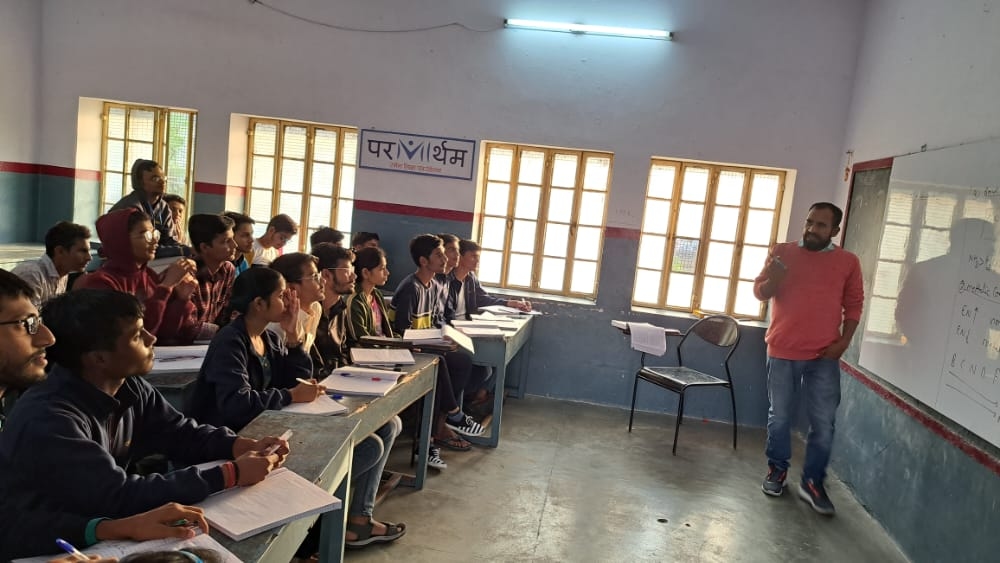
Economic Empowerment: Providing education to underprivileged students equips them with the knowledge and skills necessary to secure better employment opportunities. As they enter the workforce, they contribute to economic growth through increased productivity and innovation. Ultimately, a more educated workforce leads to higher wages, decreased poverty rates, and overall economic development.
Reduced Inequality: Education serves as a powerful tool for reducing socio-economic inequality. By ensuring that underprivileged students have access to quality education, societies can bridge the gap between the rich and the poor. This fosters social cohesion and stability, which are essential for sustainable development.
Enhanced Productivity and Innovation: Education fosters critical thinking, problem-solving abilities, and creativity. When underprivileged students are given the opportunity to learn and develop these skills, they become valuable contributors to society. They are more likely to innovate, start businesses, and drive technological advancements, which are essential for long-term economic growth.
Improved Health and Well-being: Education is closely linked to better health outcomes. Educated individuals are more likely to make informed decisions about their health, leading to lower mortality rates, decreased healthcare costs, and improved overall well-being. By providing education to underprivileged students, countries can address health disparities and improve public health outcomes.
Social Development: Education promotes social inclusion and empowers individuals to participate fully in society. When underprivileged students receive an education, they gain the knowledge and skills necessary to engage in civic activities, advocate for their rights, and contribute positively to their communities. This leads to stronger, more resilient societies built on principles of equality and justice.
Long-term Prosperity: Investing in the education of underprivileged students yields long-term benefits for the country as a whole. By breaking the cycle of poverty and empowering disadvantaged communities, countries can unlock their full potential and achieve sustainable growth and prosperity for future generations.
In conclusion, education for underprivileged students is not only a matter of social justice but also a smart investment in the future of a country. By ensuring that all individuals have access to quality education, nations can foster inclusive growth, drive economic development, and build a brighter future for everyone.
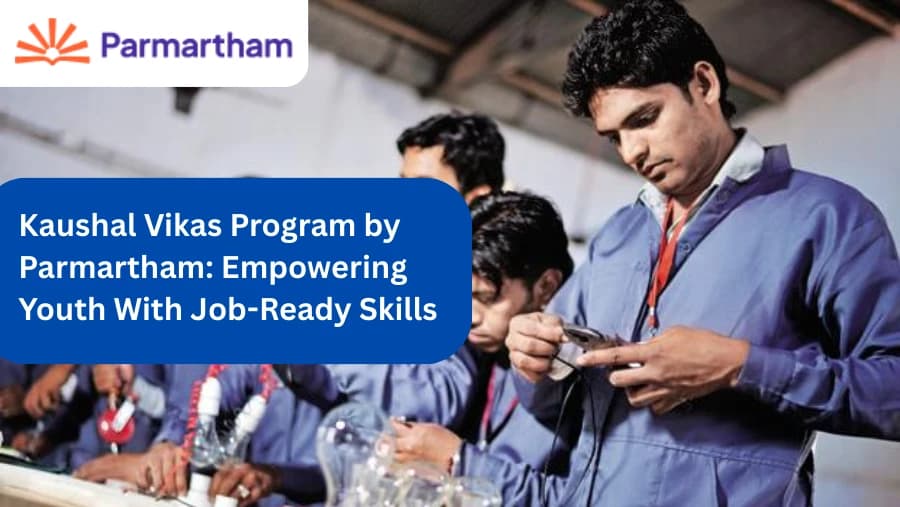
Kaushal Vikas Program by Parmartham in Jaipur offers skill training, internships, and placement support to help youth gain job-ready skills and build careers.
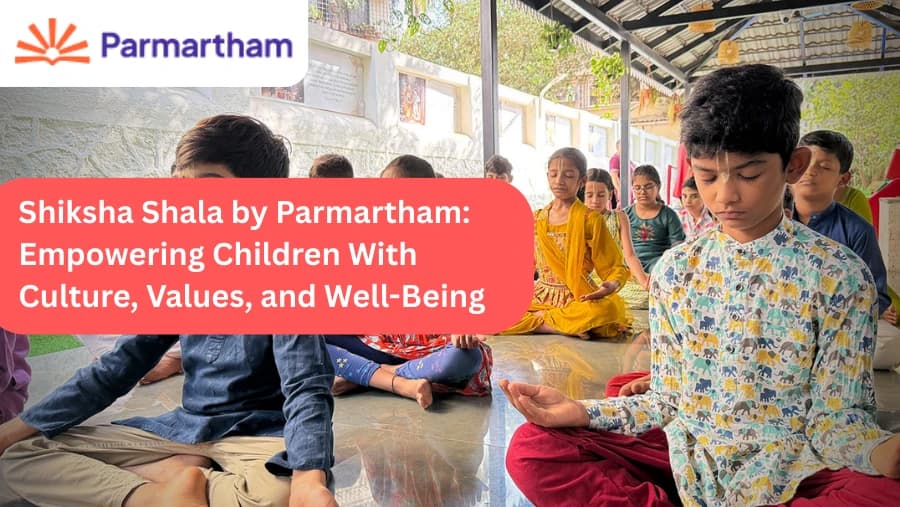
Discover Shiksha Shala by Parmartham, a Jaipur NGO empowering children with cultural values, emotional well-being, and holistic education beyond academics.
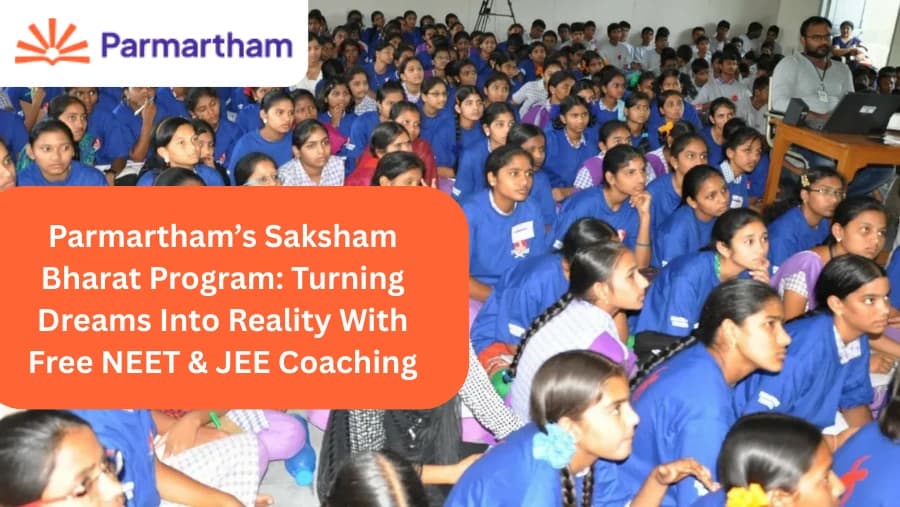
Saksham Bharat by Parmartham offers free NEET & JEE coaching, mentorship to empower talented students from underserved backgrounds.
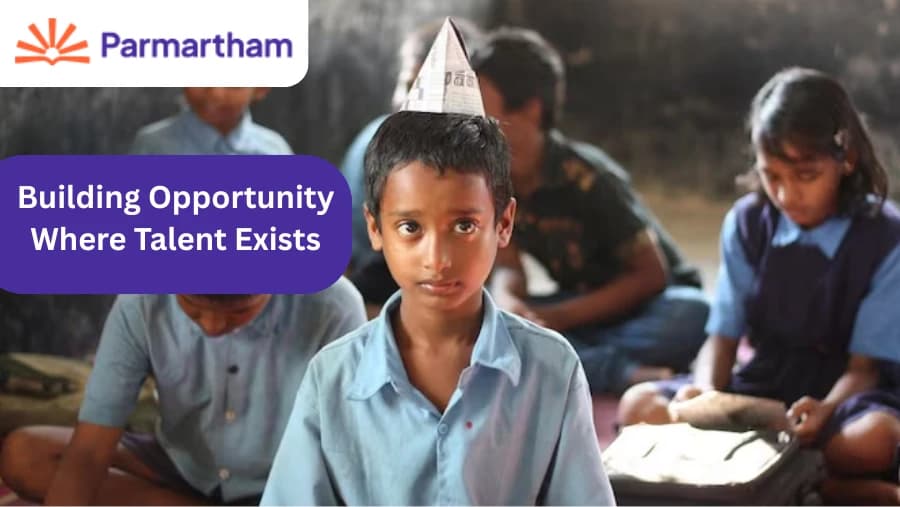
Parmartham is a Rajasthan-based non-profit empowering underprivileged youth through free education, mentorship, values-based learning, wellness, and employability skills.